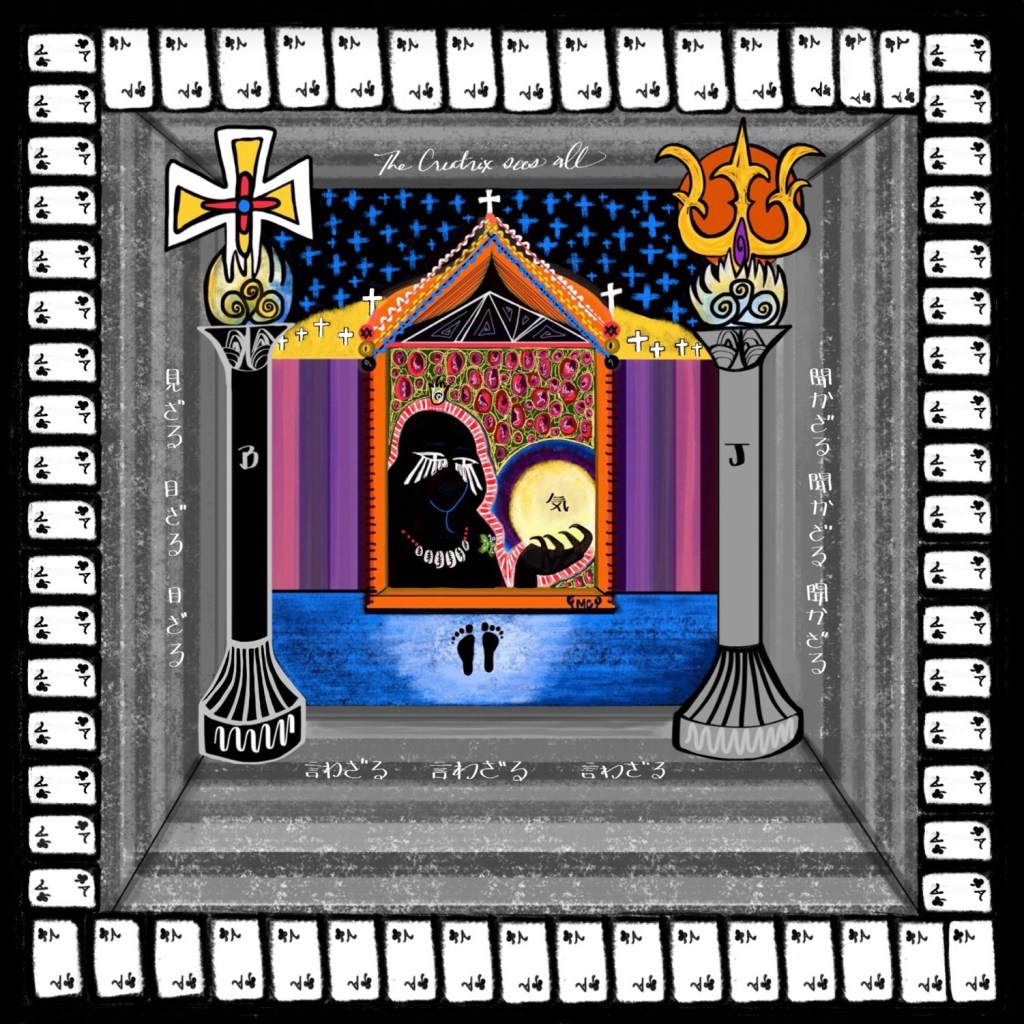
アーカイブ がくもん (Ākaibu Gakumon)
高度にダイナミックなパフォーミングアーツはエネルギーのサポートを必要とします。身体は電気的なインスピレーションを受け取る楽器のようなものです。
こうど に ダイナミック な パフォーミングアーツ は エネルギー の サポート を ひつよう と し ます。 しんたい は でんき てき な インスピレーション を うけとる がっき の よう な もの です。
Kōdo ni dainamikku na pafōminguātsu wa enerugī no sapōto o hitsuyō to shi masu. Shintai wa denki teki na insupirēshon o uketoru gakki no yō na mono desu.
Highly dynamic performing arts require energetic support: the body is like an instrument that receives electrical inspiration.
深く変革的な芸術をチャンネルすることは 、新しい世界観や新しい文化を生み出す力を持っています。
ふかく へんかく てき な げいじゅつ を チャンネル する こと は 、 あたらしい せかい かん や あたらしい ぶんか を うみだす ちから を もって い ます。
Fukaku henkaku teki na geijutsu o channeru suru koto wa, atarashii sekai kan ya atarashii bunka o umidasu chikara o motte i masu.
Channeling deeply transformative art has the power to create new worldviews and new cultures.
質の高い最先端の芸術をチャンネルすることは 、インスピレーションそのものの力を伝えるアーティストの身体に生理的なコストを伴います。
しつ の たかい さいせんたん の げいじゅつ を チャンネル する こと は 、 インスピレーション そのもの の ちから を つたえる アーティスト の しんたい に せいり てき な コスト を ともない ます。
Shitsu no takai saisentan no geijutsu o channeru suru koto wa, insupirēshon sonomono no chikara o tsutaeru ātisuto no shintai ni seiri teki na kosuto o tomonai masu.
Channeling quality cutting-edge art comes with a physiological cost to the artist’s body, who channels the power of inspiration itself.
一部の先住民の世界観では 、健康で明晰なアーティストは人類やインスピレーションが流れ込む神聖な力の奉仕者です。
いちぶ の せんじゅうみん の せかい かん で は 、 けんこう で めいせき な アーティスト は じんるい や インスピレーション が ながれこむ しんせい な ちから の ほうし しゃ です。
Ichibu no senjūmin no sekai kan de wa, kenkō de meiseki na ātisuto wa jinrui ya insupirēshon ga nagarekomu shinsei na chikara no hōshi sha desu.
In some indigenous worldviews, a healthy and lucid artist is a servant of humanity and the divine forces through which inspiration flows.
人類学における最も古い質問の一つは 、「人間はいつ言語を使い始めたのか?」この質問は重要で 、というのも 、動きやダンスのように 、話し言葉や書き言葉に先立つ人間のコミュニケーションの形が存在するからです。
じんるい がく における もっとも ふるい しつもん の ひとつ は 、 「 にんげん は い つ げんご を つかい はじめ た の か ? 」 この しつもん は じゅうよう で 、 というのも 、 うごき や ダンス の よう に 、 はなしことば や かきことば に さきだつ にんげん の コミュニケーション の かたち が そんざい する から です。
Jinrui gaku niokeru mottomo furui shitsumon no hitotsu wa, “ningen wa i tsu gengo o tsukai hajime ta no ka?” Kono shitsumon wa jūyō de, toyuunomo, ugoki ya dansu no yō ni, hanashikotoba ya kakikotoba ni sakidatsu ningen no komyunikēshon no katachi ga sonzai suru kara desu.
One of the oldest questions in anthropology is: “When did humans begin to use language?” This question is important because there are forms of human communication, like movement and dance, that precede spoken and written language.
母の蟹は 、音楽やパフォーマンスアーツを人間の言語と表現の主要な体系として再分類することを支持するためにここにいます。人間の身体は動的であるだけでなく、本質的に強力に表現的です。
はは の かに は 、 おんがく や パフォーマンスアーツ を にんげん の げんご と ひょうげん の しゅよう な たいけい として さい ぶんるい する こと を しじ する ため に ここ に い ます。 にんげん の しんたい は どうてき で ある だけ で なく 、 ほんしつ てき に きょうりょく に ひょうげん てき です。
Haha no Kani wa, ongaku ya pafōmansuātsu o ningen no gengo to hyōgen no shuyō na taikei toshite sai bunrui suru koto o shiji suru tame ni koko ni i masu. Ningen no shintai wa dōteki de aru dake de naku, honshitsu teki ni kyōryoku ni hyōgen teki desu.
Mama Crab is here to advocate for the reclassification of music and the performing arts as primary systems of human language and expression. The human body is not only dynamic, but also powerfully expressive in nature.
アーティストは 、口語的な言語やシンボルの枠を超えてコミュニケーションをする意欲のある人々です。
アーティスト は 、 こうご てき な げんご や シンボル の わく を こえ て コミュニケーション を する いよく の ある ひとびと です。
Ātisuto wa, kōgo teki na gengo ya shimboru no waku o koe te komyunikēshon o suru iyoku no aru hitobito desu.
Artists are people who are willing to communicate beyond the bounds of colloquial language and symbols.
母の蟹の学者としての主要な野望の一つは 、グローバルな平和創出を追求するための精神的な技術や環境コミュニケーション戦略を創造することです。
はは の かに の がくしゃ として の しゅよう な やぼう の ひとつ は 、 グローバル な へいわ そうしゅつ を ついきゅう する ため の せいしん てき な ぎじゅつ や かんきょう コミュニケーション せんりゃく を そうぞう する こと です。
Haha no Kani no gakusha toshite no shuyō na yabō no hitotsu wa, gurōbaru na heiwa sōshutsu o tsuikyū suru tame no seishin teki na gijutsu ya kankyō komyunikēshon senryaku o sōzō suru koto desu.
One of Mama Crab’s primary ambitions as a scholar is to create spiritual technologies* and environmental communication strategies in pursuit of global peacemaking.
アーティストはしばしば自然や見えないもの 、集団的無意識と直接コミュニケーションをする人々です。パフォーマンスアーツは 、アーティストに仮面を脱ぎ捨て 、人間の条件を徹底的に探求することを要求します。
アーティスト は しばしば しぜん や みえ ない もの 、 しゅうだん てき むいしき と ちょくせつ コミュニケーション を する ひとびと です。 パフォーマンスアーツ は 、 アーティスト に かめん を ぬぎすて 、 にんげん の じょうけん を てっていてき に たんきゅう する こと を ようきゅう し ます。
Ātisuto wa shibashiba shizen ya mie nai mono, shūdan teki muishiki to chokusetsu komyunikēshon o suru hitobito desu. Pafōmansuātsu wa, ātisuto ni kamen o nugisute, ningen no jōken o tetteiteki ni tankyū suru koto o yōkyū shi masu.
Artists are often people who communicate directly with nature, the invisible and the collective unconscious. Performance arts demand that artists cast off their masks and delve deeply into the human condition.
母の蟹は 、アーティストの職業は基本的に神聖であると主張しますが 、インスピレーションの器となるために自分を開く際に害を受けるべきではありません。
はは の かに は 、 アーティスト の しょくぎょう は きほん てき に しんせい で ある と しゅちょう し ます が 、 インスピレーション の うつわ と なる ため に じぶん を ひらく さい に がい を うける べき で は あり ませ ん。
Haha no Kani wa, ātisuto no shokugyō wa kihon teki ni shinsei de aru to shuchō shi masu ga, insupirēshon no utsuwa to naru tame ni jibun o hiraku sai ni gai o ukeru beki de wa ari masen.
Mama Crab asserts that the artist’s vocation is fundamentally sacred, but that no one should be harmed in opening themselves up to be a vessel for inspiration.
創造モードにあるとき 、私たちは柔軟で協力的であり 、水のように流動的であるべきです。
そうぞう モード に ある とき 、 わたし たち は じゅうなん で きょうりょく てき で あり 、 みず の よう に りゅうどうてき で ある べき です。
Sōzō mōdo ni aru toki, watashi tachi wa jūnan de kyōryoku teki de ari, mizu no yō ni ryūdōteki de aru beki desu.
When we are in creative mode, we should be flexible, collaborative and fluid like water.
母の蟹 ( ママクラブ ) 🦀
はは の かに ( ママ クラブ ) 🦀
Haha no Kani** ( Mama Kurabu ) 🦀
Mama Crab 🦀
* Technology, re: “spiritual technologies” from the Sanskrit तन्त्र, tantra, literally meaning loom or weaving instrument.
** 蟹: Kani, meaning Cancer, the Crab of the Zodiac.
アカデミックアーカイブ
Akademikkuaakaibu
Archival scholarship: the roots that house water and memory.
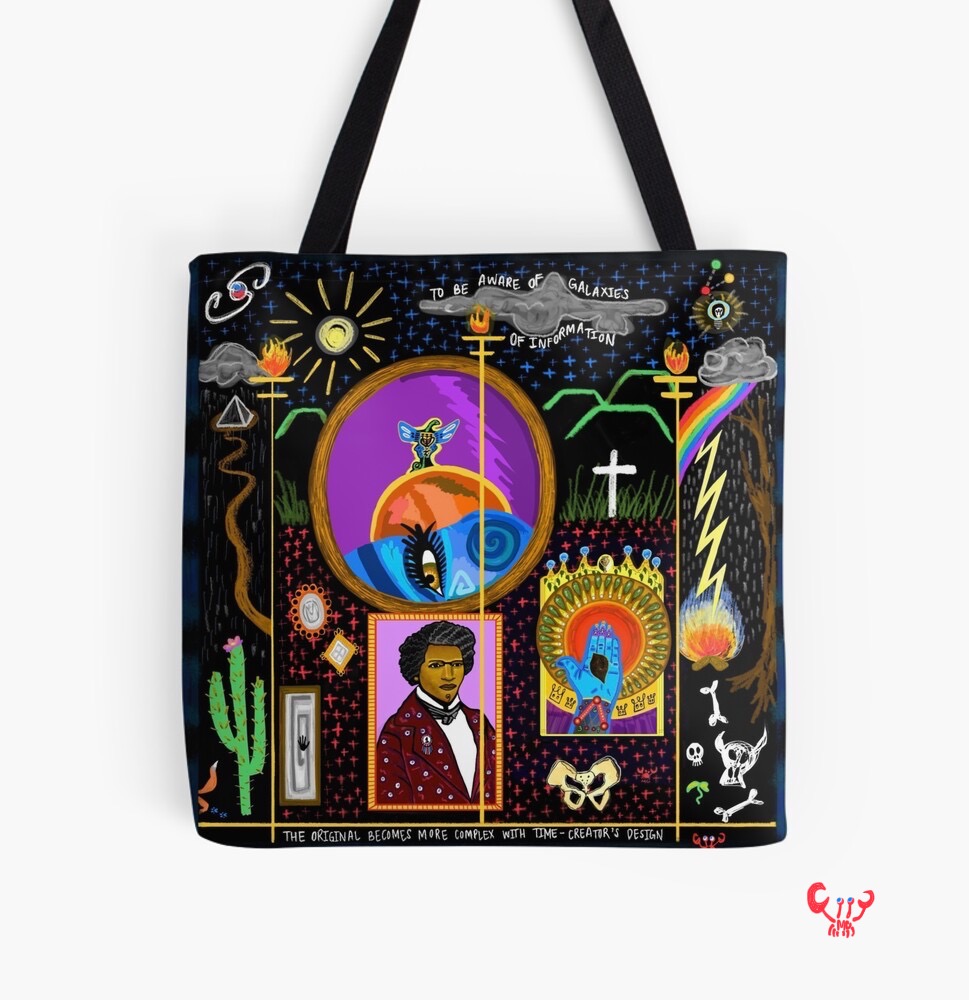
“You must remember never to cease to act because you fear you may fail.”
Queen Lili’uokalani, 1917
Why value research that gives accessible narrative form to yet digitized archives? To understand the mechanics of priming the subconscious consciously with unforgettable experiences of art, such as “Water + Memory,” a 2018 public art installation, the fruit of “Every time I conjure up a rock I throw it: The Conjurewoman in African American Studies,” 2017. When compiling religious history, reviewing the impact of pluralism on American culture, what is the delineation between conjure the verb and Conjure the religion, proper noun?
An audience remembers what they experience, and experience is a generous way to prepare them to read something that must be translated to be interpreted. The willingness of the audience to engage in the labor of translation across alphabets, ideograms, and symbolic linguistic systems is a litmus test: Do they know where they are? Do they know who they are?
Are they willing to actually be present?
 行き止まり
行き止まり 